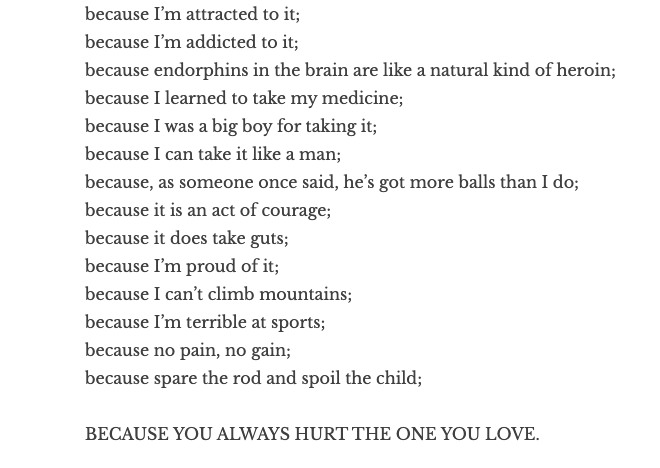
I decided to work on two pieces of text in SLP on two pieces of text, considering the method’s we learnt in Shelia’s workshop on how to work with text. I decided to look at one piece of text from Mark D. Griffiths Ph.D on the PsychologyToday website titled “Drug Use And Creativity: Can psychoactive substance use enhance creativity?” I then also worked with a second piece of text that is less objective and feels like it is written more personally with an opinion, an answer to the question “Do drugs enhance creativity?” on Quora. Michelle Gaugy, art dealer & former artist, author, art consultant wrote 6 paragraphs in response to the question. I worked with the black-out method, redacting to words from the text until the collection of words remaining made my finished text.
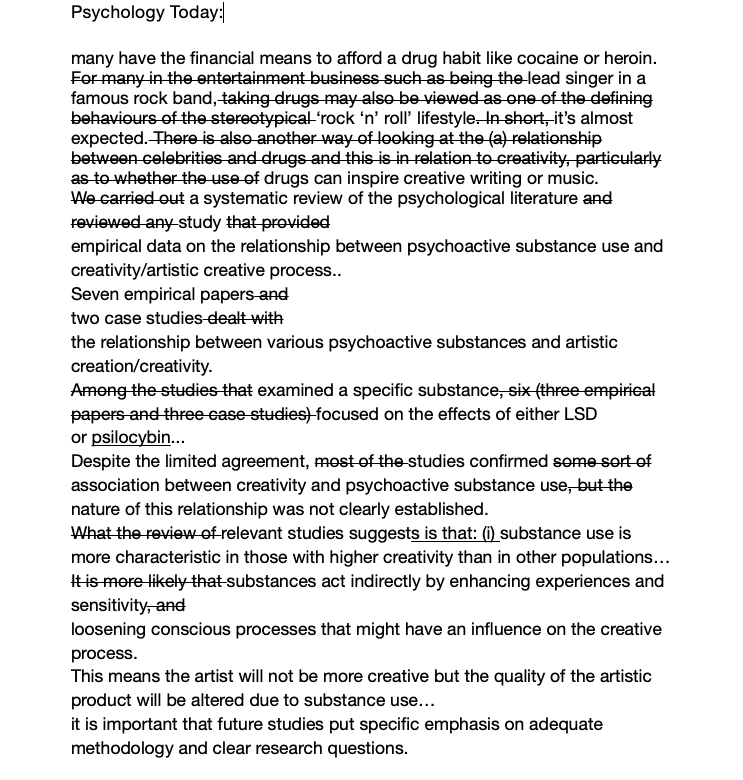
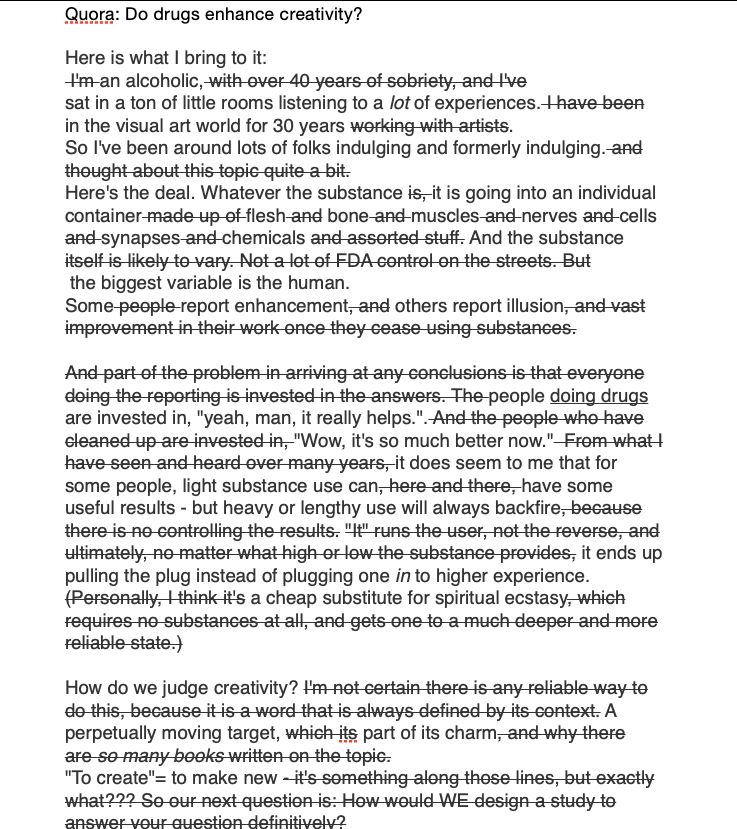
https://www.quora.com/Do-drugs-enhance-creativity
https://www.psychologytoday.com/gb/blog/in-excess/201702/drug-use-and-creativity
3 Minute performance: Using methods previously explored in class
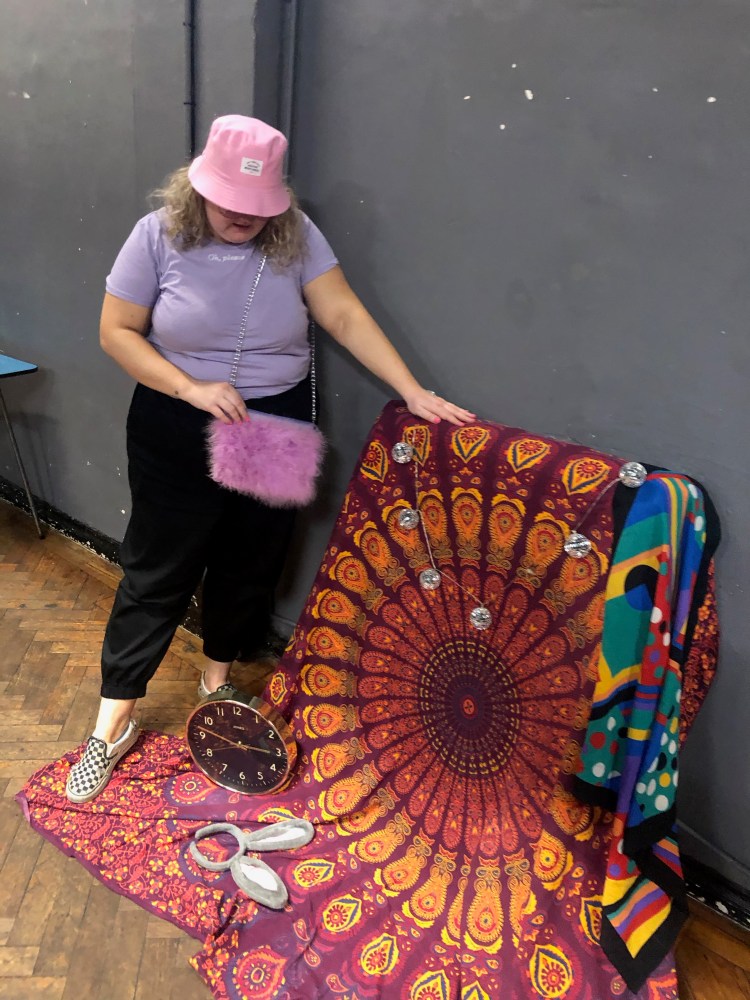
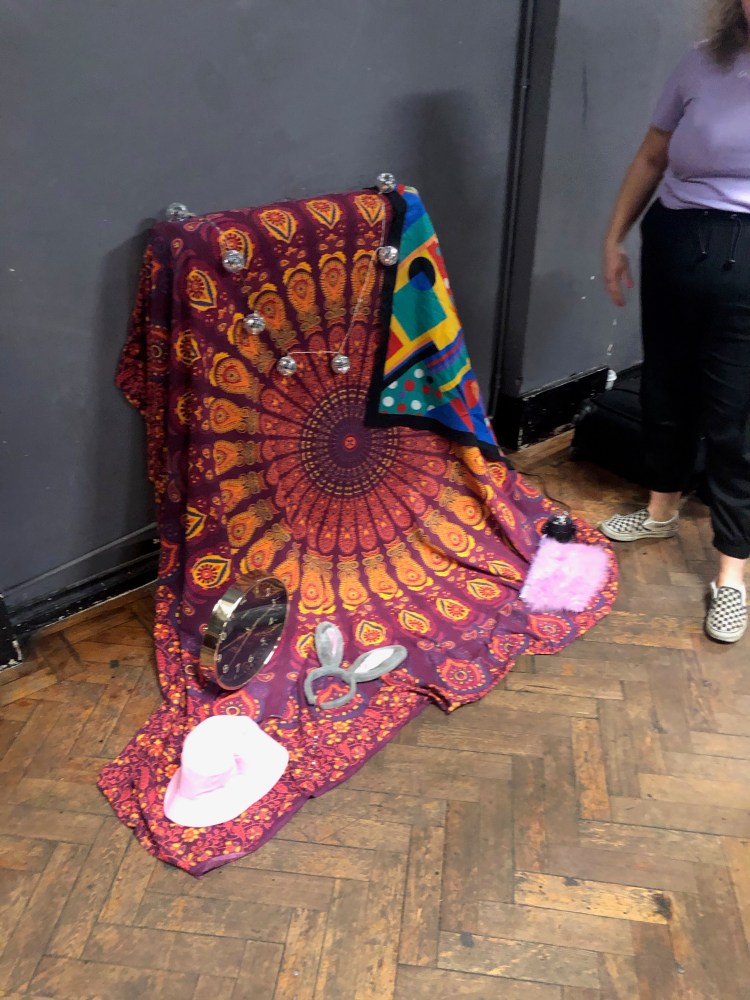
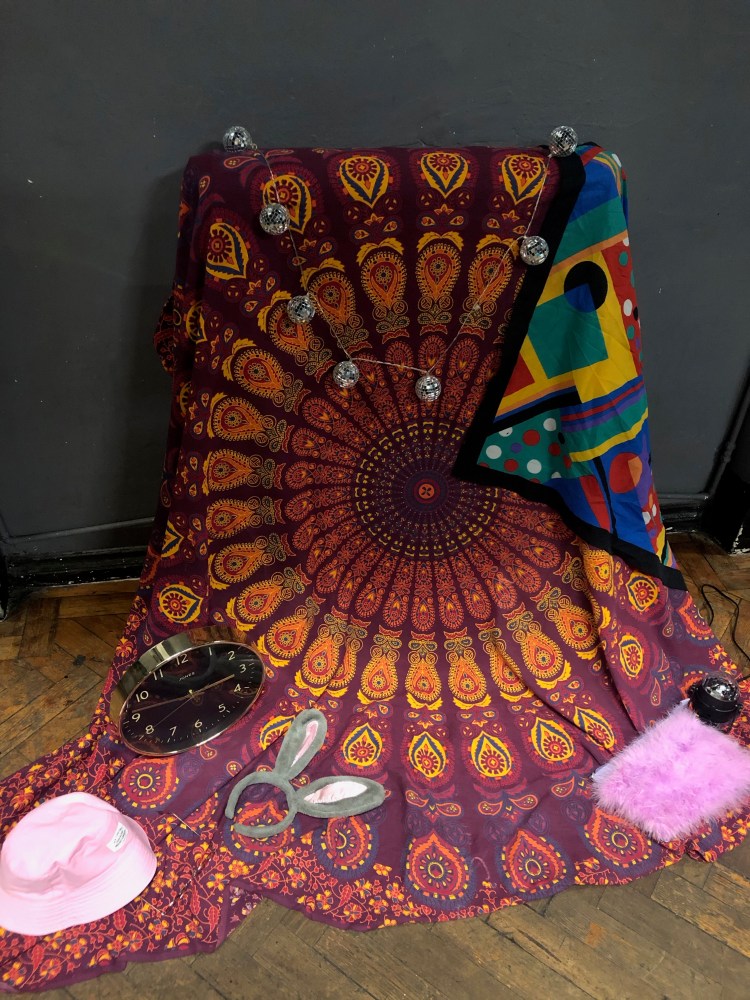
Build a world that connects to your overarching theme, use objects to decorate your space (Daniel’s workshop)
Use music to transform yourself in the space (Julia’s workshop)
You used something ‘on’ or ‘about’ or ‘inside’ yourself as the source of a story (Shelia’s workshop)
My 3 minute performance: Ask audience member to tell me something ‘on’ ‘inside’ and ‘about’ themselves. Set up ‘world’ that makes audience member feel physical sensations whilst interacting, lay on soft blanket, feel warmth of heater and listen to music. After time to experience, ask them the questions again, do they feel more connected with their body and their answers after the physical and music ‘transformation’ moments.
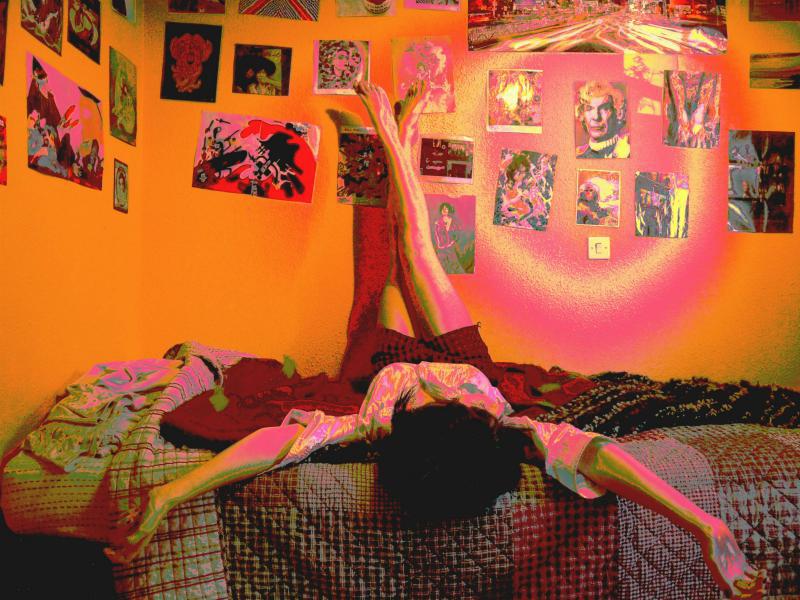
Feedback from my 3 minute performance: The aesthetic of comfort and ideas of serenity as an atmosphere created through use of different backgrounds was interesting for viewers. The use of warm air affecting the body involved physically and music at different levels allowing someone to ‘get lost in’ the atmosphere created. In feedback with my group we discussed my project in relation to the creation of an environment, how this can then also be contradicted or changed. They suggested I look into using all the sense to affect those in my performance space. I hadn’t considered how the use of smell or cold air instead of warm could work to create an unpleasant environment and how this could useful in my piece. When I asked the audience member the ‘story questions’ from Shelia’s workshop I paraphrased them slightly, just speaking more candidly which lead to some questions seeming more emotional or factual compared to story based. The group that watched my performance found this interesting and even though I had not done it intensionally I left me to consider how the different questions I asked and how I asked them also contributed to the persons creativity and answers as well as the environment I’d be working to create.
During this mini performance i really wanted to focus on how the person who entered into the performance space with me and became a part of it felt. In feedback I was told it felt like a useful process, with a point which I appreciated because if such a short snippet of performance had that effect then it excites me to experiment with how I could further this ‘process’ within my piece. Joe also reported back to me in feedback that the length of time spent in the performance space felt important from his experience. The longer he was able to lay on soft fabric and listen to relaxing music whilst feeling warm air blown at him allowed for the builds up of the overall affect on his mind, relaxation, mood and creativity. The effect of being in the environment was more distinct the longer the experience was able to last and this made me consider how long I would want audience members to stay in the space in my final piece.
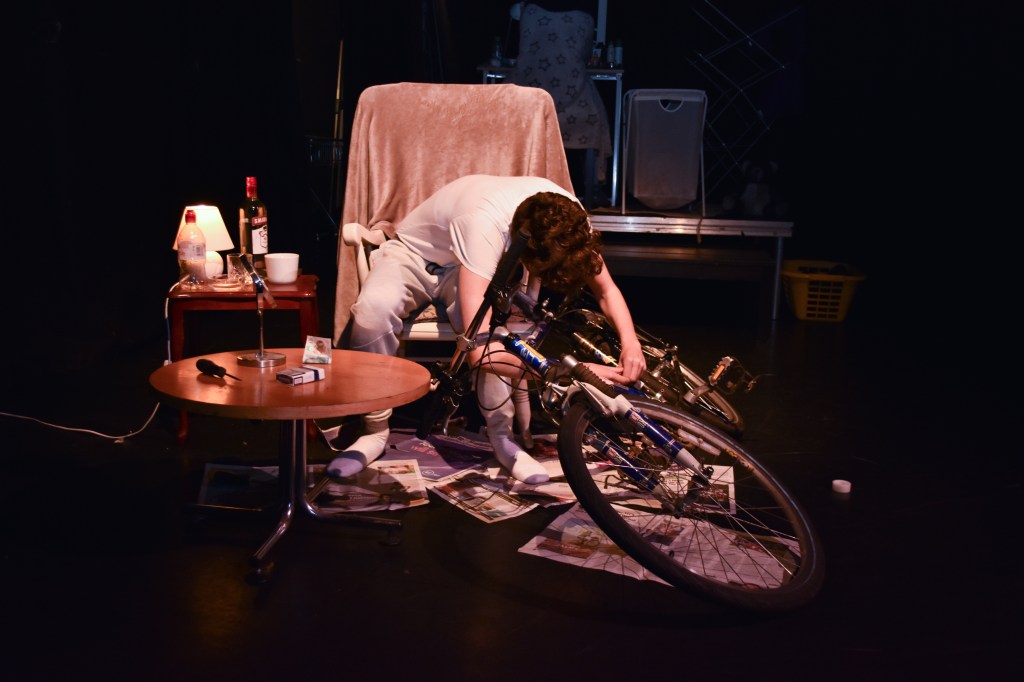


 Practice-based Research Project